What experience across the program highlights
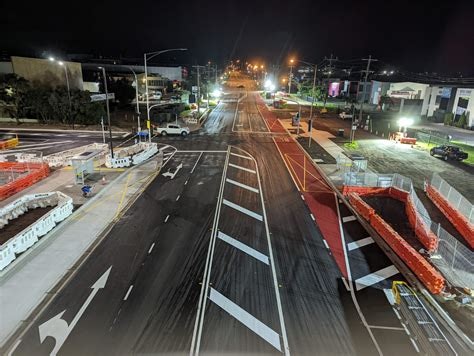
Working across multiple packages within a live rail environment highlights several recurring delivery themes.
1. Front-end definition remains critical
Pressure to accelerate delivery often compresses early-stage definition. However, gaps in front-end clarity typically re-emerge during construction.
This is particularly evident where there is insufficient alignment between:
- design intent and construction methodology
- utility requirements and staging constraints
- environmental obligations and site conditions
Where these elements were resolved early, projects transitioned more smoothly into delivery.
2. Interface management is a primary delivery function
In complex programs, the main risks sit at interfaces rather than within individual disciplines.
These include interfaces between:
- rail systems and civil works
- utilities and construction activities
- different contractor scopes across adjacent packages
Effective interface management requires:
- clear ownership of interfaces
- coordinated design processes
- early and ongoing engagement with asset owners
3. Utilities and power works influence program sequencing
Utilities and power infrastructure are often on the critical path.
Across the program, delivery outcomes were strongly influenced by:
- the timing of utility relocations
- coordination of electrical and civil works
- integration with existing operational systems
This dynamic is also relevant in sectors such as renewable energy and data centres, where power and supporting infrastructure often drive delivery timelines.
4. Environmental inputs must align with construction planning
Environmental requirements were closely tied to delivery methodology, particularly in relation to:
- contamination and waste management
- groundwater conditions
- construction constraints in urban environments
Where environmental inputs were integrated with engineering and construction planning, approvals and delivery were more predictable.
5. Embedded teams improve coordination and responsiveness
Embedding multidisciplinary capability within delivery teams improved both coordination and decision-making.
This allowed:
- faster resolution of cross-discipline issues
- more practical alignment between design and construction
- reduced reliance on external review cycles
Key lessons for developers and investors
- Focus on integration early
- Treat interface management as a core function
- Plan around critical path infrastructure
- Align environmental and technical inputs
- Embed capability where decisions are made
Implications for future programs
As infrastructure programs increase in scale, the expectations around coordination and delivery discipline are rising.
The experience from LXRP reinforces a straightforward point: delivery outcomes are shaped less by individual technical capability and more by how well disciplines are integrated.
In our experience, embedding this capability within the delivery environment improves both project performance and longer-term delivery capability.