











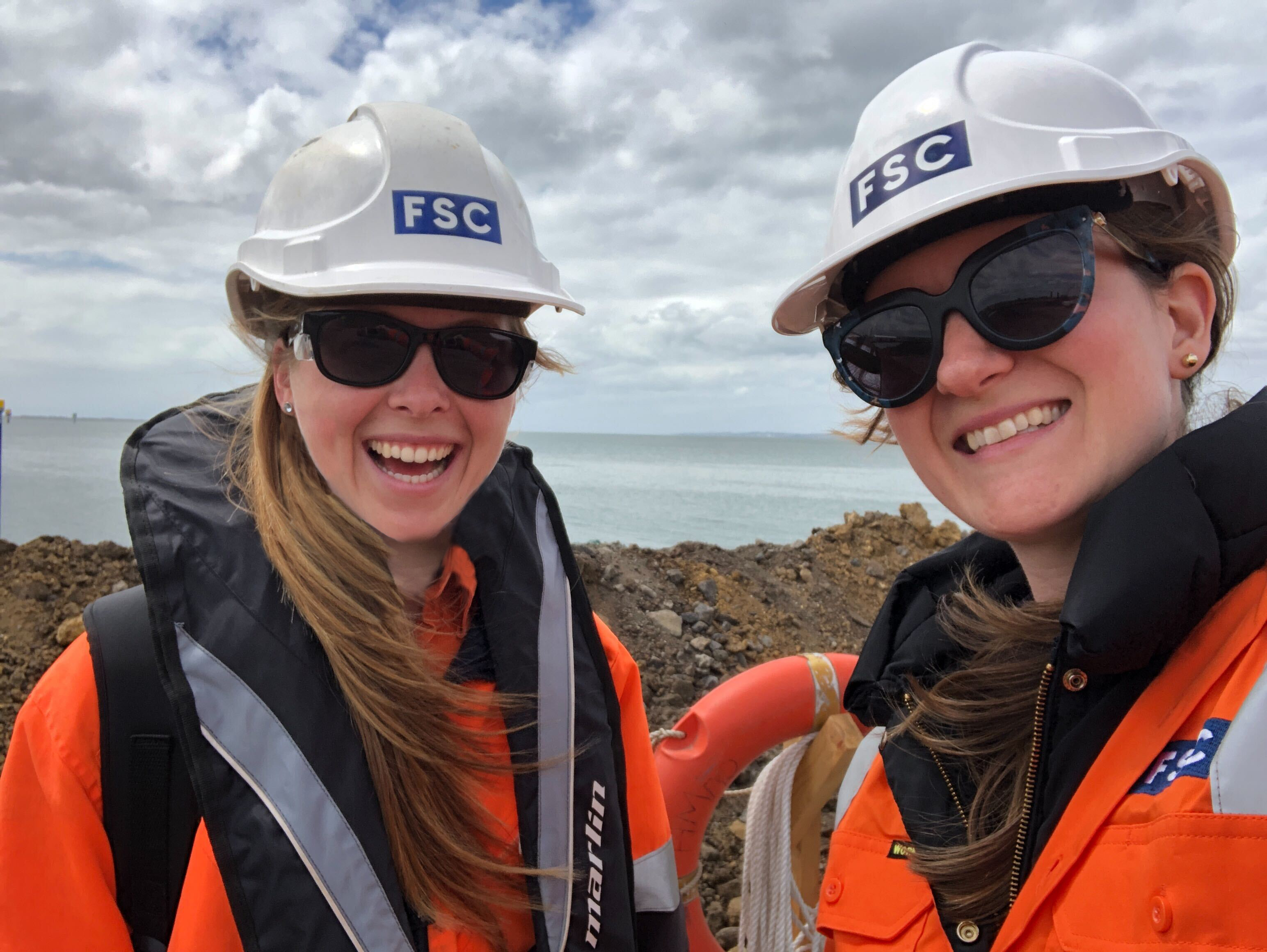
When FSC Group proposed a job-sharing arrangement for the Senior Environmental Advisor role on the FCC Barwon Heads Road Upgrade Project, it was a rare experiment in an industry not known for flexible working. What followed was a quiet success story, one that challenges assumptions about how construction projects must be staffed, and who gets to be part of them.
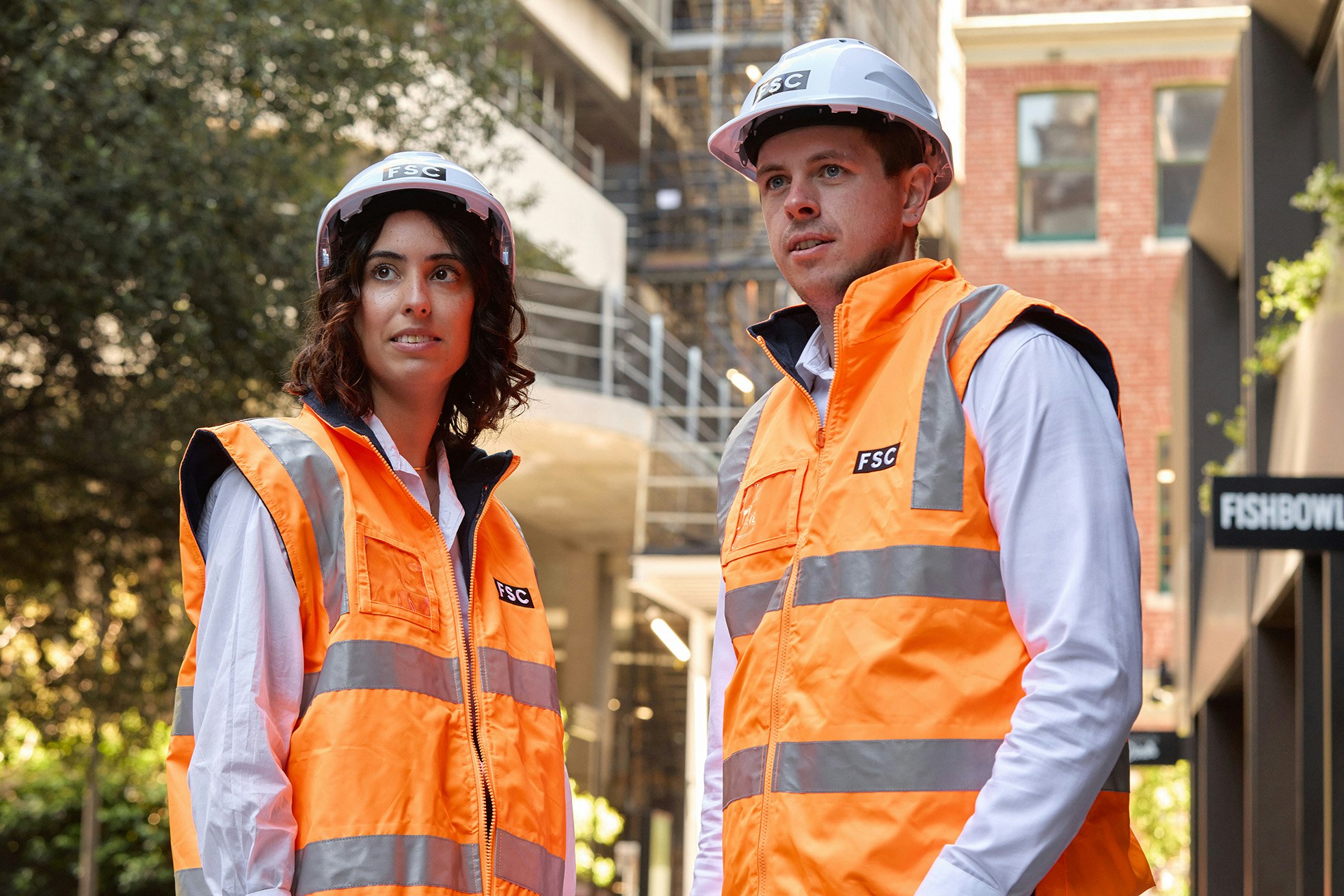
Hayley Pottenger and Jess Hickey hadn’t worked closely before they became, in effect, one person on a major road infrastructure project in Victoria. Hayley had been on the project from the start, navigating the complexity of TOC, pre-commencement and early site establishment. Jess was returning from parental leave, eager to re-enter project delivery but only able to commit part-time. On paper, the solution seemed straightforward. In practice, it required trust, meticulous communication, and a willingness from the broader team to try something new.
It worked. Better than almost anyone expected.
Why It Happened
For Jess, the arrangement was personal. "It is really important for me to work part-time so I can spend time with my two daughters before they start school," she says. "It is not always easy to find a role that is part-time, so the job share allowed me the flexibility to keep working in the industry."
For Hayley, it was a different kind of relief. Driving from Melbourne to Geelong for long site days had been taking a toll. Sharing the role meant shorter days and the chance to work across other projects, broadening her experience while maintaining her core project commitment.
Both came into the arrangement with optimism. "I felt excited," Hayley says. "Jess is really knowledgeable and has had a lot of experience. I was keen to get her insight and input." Jess echoes this: "It felt like a unique opportunity to be involved in project delivery and work on-site while returning to part-time work."
Making It Work on a Live Construction Site
Anyone who has worked in construction knows that projects are dynamic, often unpredictable environments. A job share that looks elegant in theory can fall apart quickly under the pressure of daily site operations, competing deadlines, evolving risks, a team that needs clear and consistent environmental guidance.
Hayley and Jess anticipated this and built their systems accordingly. Written handover emails were non-negotiable – detailed, structured, covering upcoming works, areas of concern, outstanding tasks, recent conversations with the project team and any issues requiring attention. A shared spreadsheet tracked every task, assigned responsibility and flagged priority levels. It was updated continuously.
"We had an agreement that if either of us were concerned about an issue on-site, or a decision for the project, we would have a phone call to discuss regardless of whose working day it was," says Jess.
Clear site scheduling helped the broader team adapt. Hayley and Jess established consistent days on site and made sure those days were communicated widely, including on the daily activities whiteboard. "At first I think they were a little apprehensive," Hayley acknowledges of the site team. "But after a week or two, they got used to the process and understood that for the most part, it was a seamless transition from one to the other."
Jess agrees: "Once lines of communication were established, we didn't sense any frustration with having two points of contact."
The Unexpected Upside
What surprised both Hayley and Jess, and perhaps the project team too, was that the arrangement delivered more than continuity. It delivered depth.
With over 25 years of combined environmental experience between them, the project wasn't just adequately resourced. In some ways, it was better resourced than if a single full-time advisor had been in the role. When complex situations arose, there were two experienced minds to assess risk and develop a response. When one was off-site, the other had full context and could act with confidence.
"Having another person's experience and opinion helped with problem-solving and decision-making," says Jess. "Environmental aspects, risks and controls can vary so much on projects – having collective experience of over 25 years was incredibly beneficial."
Hayley puts it another way: "We were effectively two experienced employees for the price of one."
The personal reward was equally real. "Enviro life can be a little bit lonely when you are the only environmental advisor on a project," Hayley reflects. "It was great to have someone else as a sounding board, even if we weren't on site together. We still caught up throughout the week to align on what needed to be done."
For Jess, the most unexpected reward was the sense of team. "The most rewarding and unexpected part for me was feeling like I was working in an environment team while providing a single resource to the project."
What Made the Partnership Work
Both Hayley and Jess are clear that their success wasn't just a product of good systems, it came down to the people involved and the shared values they brought to the work.
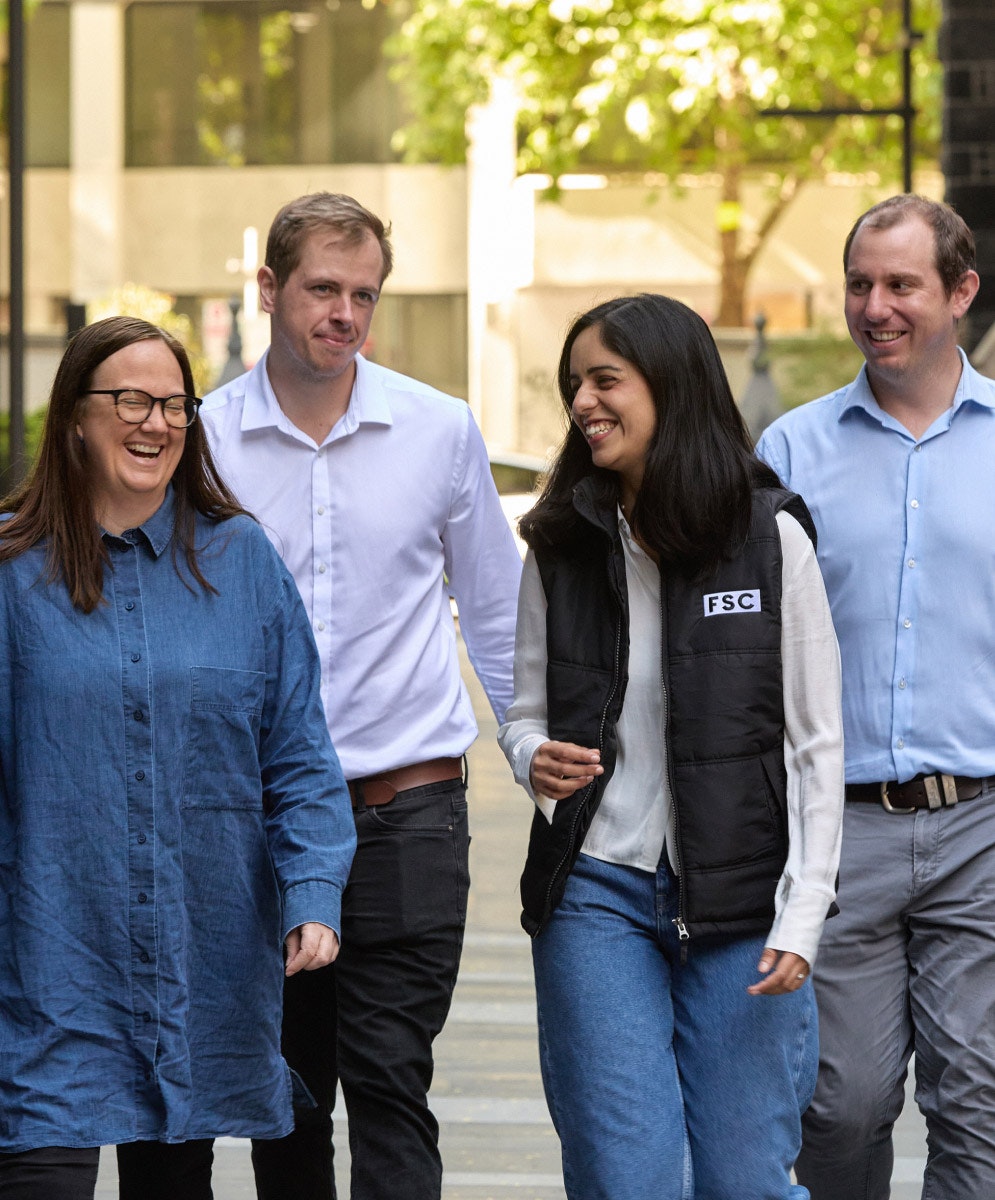
"We have mutual respect for one another, and we communicate very effectively," says Hayley. "We are also very similar in how we operate and think, which made it really easy when giving environmental advice to the team."
Jess points to their shared professional approach: "We both actively work with the project team and site personnel to raise environmental awareness and provide better environmental outcomes. We are both diligent in record-keeping, compliance, and contract requirements."
They also complemented each other in distinct ways. Jess brought deep technical knowledge, developing environmental documentation, identifying project risks, integrating quickly with the site team and earning their trust. Hayley contributed critical project history and context, a diligent approach to site inspections, strong communication skills and the ability to keep teams engaged.
There was a moment when they realised the job share was working well. Hayley didn't think it took much time. "Once everyone knew who was on site on what day, and trusted in us that we could perform the job, I felt like it was really working well."
For Jess, it crystallised when a critical environmental document received client approval, and the project made it through a tough period of site establishment. "We had both environmental and delivery challenges that were undoubtedly easier to work through with a trusted and exceptional colleague," she says.
A Message to the Industry
Construction has been slow to embrace flexible working, particularly in site-facing roles. The assumption, often unstated, is that a project needs a single point of accountability, available at all times, fully dedicated to one site. Hayley and Jess's experience challenges that assumption directly.
"I would ask them to think again," Hayley says to those who doubt whether job sharing can work in construction. "It can definitely work very well, as long as things are set up in a consistent manner to avoid confusion."
But beyond the operational case, both women are clear about something larger: flexible arrangements change who gets to participate in the industry at all.
"Returning to full-time work in construction when you have family commitments or caring duties can be challenging," says Hayley. "Offering this kind of arrangement enables people to continue their careers whilst still keeping their family commitments."
Jess adds: "I hope that someone in a part-time position who is considering job sharing has increased opportunities to keep working in the industry and maintain flexibility in their life, whatever the reason may be."
And for employers who are weighing the operational complexity against the benefit: "Flexible working arrangements allow employers to hire people they ordinarily wouldn't hire," says Hayley. "Employers may be missing out on some fantastic personnel with great experience because they are limiting themselves."
Hayley Pottenger and Jess Hickey are Senior Environmental Advisors at FSC Group. Their job share arrangement was supported by FSC's Construction Environmental Lead Ewan Watson on the FCC Barwon Heads Road Upgrade Project.